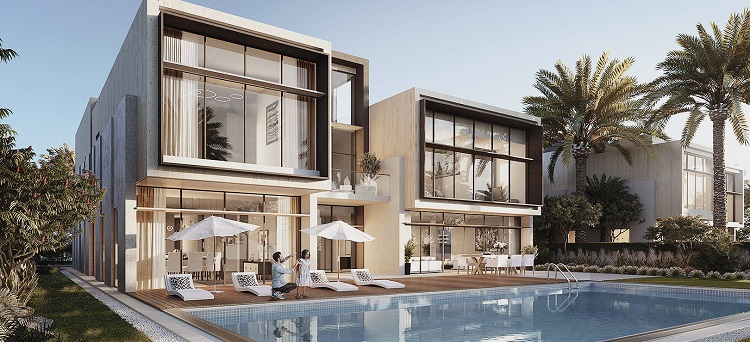
Dubai has emerged as one of the top destinations for real estate investment in the world. With its strategic location, tax-free income, luxury developments, and world-class infrastructure, it’s no wonder that international buyers are increasingly interested in buying property in Dubai. However, understanding the property ownership rules for foreign nationals is crucial before entering the market.
This article provides a detailed overview of the rules and regulations that govern property ownership for non-UAE citizens, helping you navigate the process with clarity and confidence.
Can Foreign Nationals Own Property in Dubai?
Yes, foreign nationals can legally own property in Dubai. However, they are only allowed to purchase in designated freehold areas approved by the Dubai government. These areas were established following a decree issued in 2002 that opened up the Dubai real estate market to foreign investment.
Freehold ownership means the buyer has full ownership of the property and the land it stands on, without time limitations. This type of ownership allows the buyer to sell, lease, or pass on the property as they wish.
Designated Freehold Areas for Foreign Ownership
Dubai has a number of prime freehold zones where foreign nationals can buy property. These areas include:
- Dubai Marina
- Downtown Dubai
- Palm Jumeirah
- Business Bay
- Jumeirah Lakes Towers (JLT)
- Arabian Ranches
- Emirates Hills
- The Greens and Views
- Bluewaters Island
- Dubai Hills Estate
These communities offer a range of properties including apartments, townhouses, villas, and commercial spaces, catering to both lifestyle buyers and investors.
Types of Property Ownership for Foreigners
There are three primary forms of property ownership available to foreign nationals in Dubai:
1. Freehold Ownership
As mentioned, freehold allows full ownership rights over the property and the land. This is the most common form for international buyers and is permitted only in designated freehold areas.
2. Leasehold Ownership
In leasehold ownership, the buyer holds the right to occupy or lease the property for a set period, typically up to 99 years. While the buyer doesn’t own the land, they have legal rights over the property for the duration of the lease.
3. Usufruct and Musataha
These are less common legal frameworks under Sharia law. Usufruct allows the use of property for a set period, while Musataha grants the right to develop land owned by another party. These are typically used in commercial or industrial property transactions.
Legal Requirements for Foreign Buyers
There are no citizenship or residency restrictions when it comes to buying property in Dubai, but there are legal steps that foreign investors must follow:
- Valid passport: A copy of your passport is required to start the property transaction.
- Proof of funds: Buyers must prove they have the funds available, whether purchasing with cash or a mortgage.
- MOU (Memorandum of Understanding): Once a price is agreed upon, both parties sign an MOU that outlines the terms of the sale.
- Title Deed Registration: The final step involves registering the property with the Dubai Land Department (DLD) and receiving a title deed.
Foreign buyers are not required to have a UAE residency visa to purchase property, although owning property can help in securing one.
Financing Property as a Foreigner
Foreign buyers can finance their purchases through mortgage loans offered by local and international banks in Dubai. However, mortgage terms may differ from those offered to UAE residents:
- Higher down payments (often 50%)
- Shorter loan tenures
- Slightly higher interest rates
- Proof of income and creditworthiness required
Banks generally offer loans to non-residents buying completed properties rather than off-plan developments.
Additional Costs to Consider
When buying property in Dubai, foreign investors should be aware of additional costs:
- Dubai Land Department (DLD) fee: 4% of the property value
- Registration fee: AED 4,000 for properties above AED 500,000
- Brokerage fee: Typically 2% of the purchase price
- NOC fee: AED 500 to AED 5,000 depending on the developer
- Service charges: Ongoing maintenance and management fees
These costs should be factored into the total investment budget.
Can Property Ownership Lead to UAE Residency?
Yes. Foreign nationals who invest a minimum of AED 750,000 in property may qualify for a renewable two-year residency visa. Those investing AED 2 million or more may be eligible for Dubai’s 10-year Golden Visa, a long-term residency option with multiple benefits, including family sponsorship and business ownership opportunities.
Final Thoughts
Dubai offers one of the most accessible real estate markets in the region for foreign investors. The government has laid down clear and investor-friendly rules that make buying property in Dubai a secure and profitable venture. By understanding the types of ownership available, legal requirements, and financial implications, foreign nationals can make informed decisions and take full advantage of Dubai’s vibrant property market.
Whether you’re looking for a high-yield investment or a luxury home in a tax-free city, Dubai remains a top choice for international property buyers.